Magnet Applications in Elevators and Rail Transit

NEOLUNE MAGNETS makes custom magnetic components to drawings. Elevator and rail concepts use rotor magnets for drive torque and, in suitable architectures, permanent-magnet components for suspension or guidance.

Traction and guidance roles

The elevator drive and its internal rotor arrangement are two levels of the same application. Rail traction and permanent-magnet suspension require separate system reviews.

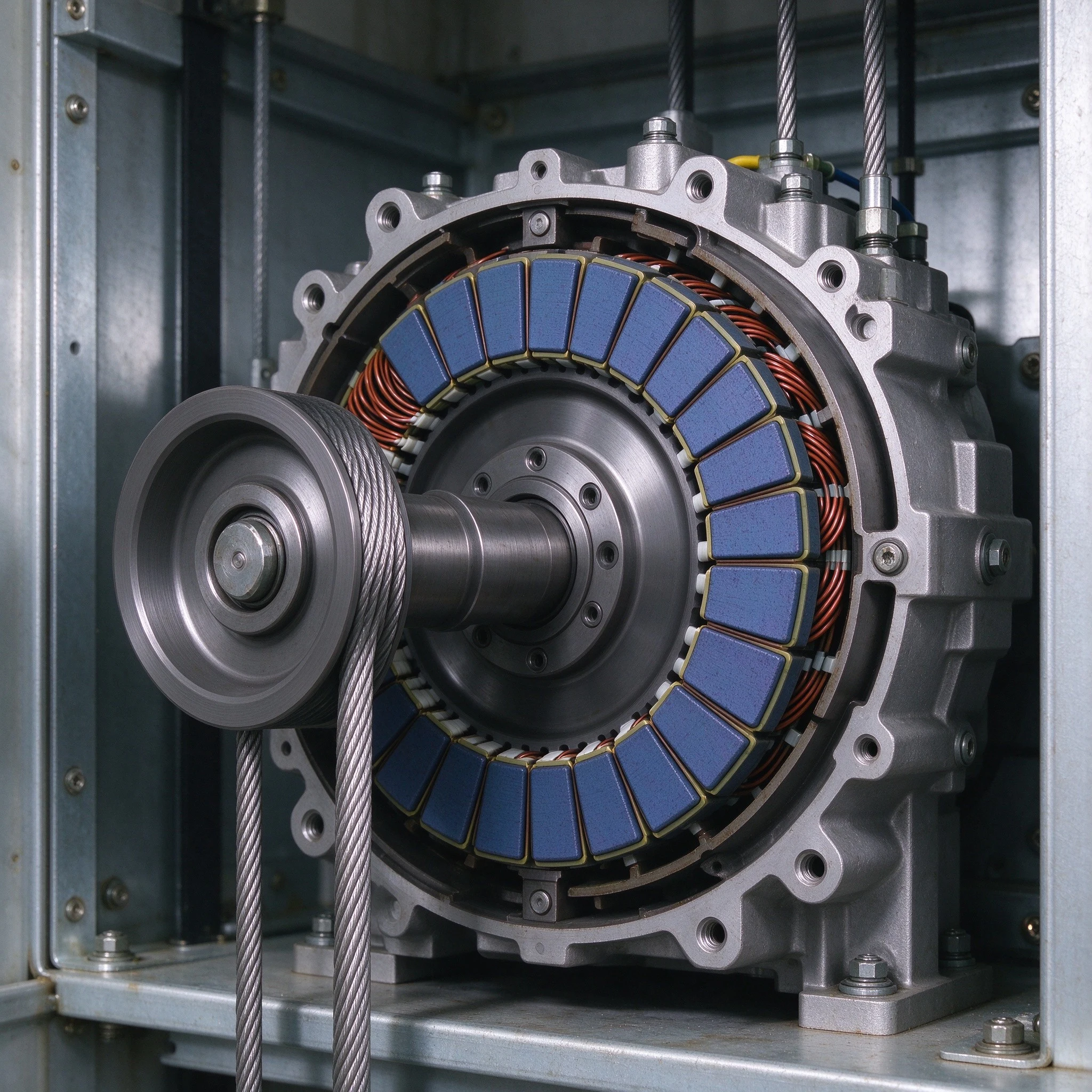
Conceptual illustration of an elevator traction motor with its magnetic rotor exposed.

Permanent-magnet synchronous elevator traction machines

Equipment: Elevator traction machines, lift main drives and vertical transport systems.

Rotor magnet components interact with the stator to generate torque for the traction sheave and cabin movement. The drive architecture defines the magnetic component interfaces.

Design goals: Compact drive, smooth motion and energy efficiency.
Traction-machine magnet components

Equipment: Rotor magnet placement and assembly within the elevator traction machine.

Magnet segments arranged around the rotor create the excitation field. Retention, positioning and the working air gap are reviewed as internal component requirements.

Design goals: Torque density and smooth running.

Urban rail traction motors

Equipment: Urban rail traction motors and permanent-magnet synchronous traction systems.

Rotor magnet arrays create the excitation field used by the traction motor. Drive and braking behaviour are determined by the complete traction and control system.

Design goals: Power density, energy efficiency and reduced noise.

Permanent-magnet suspension and guidance concepts

Equipment: Suitable magnetic-levitation, guidance, track-component and trial-system architectures.

Permanent-magnet components can contribute suspension or guidance forces in designs that use them. Working gaps, stability and support arrangements require a system-level review.

Design goals: Contactless guidance and reduced contact wear in suitable designs.

Component families to review

Motor structures and Halbach layouts provide component-level starting points. The selected traction or guidance system sets the mechanical and magnetic requirements.

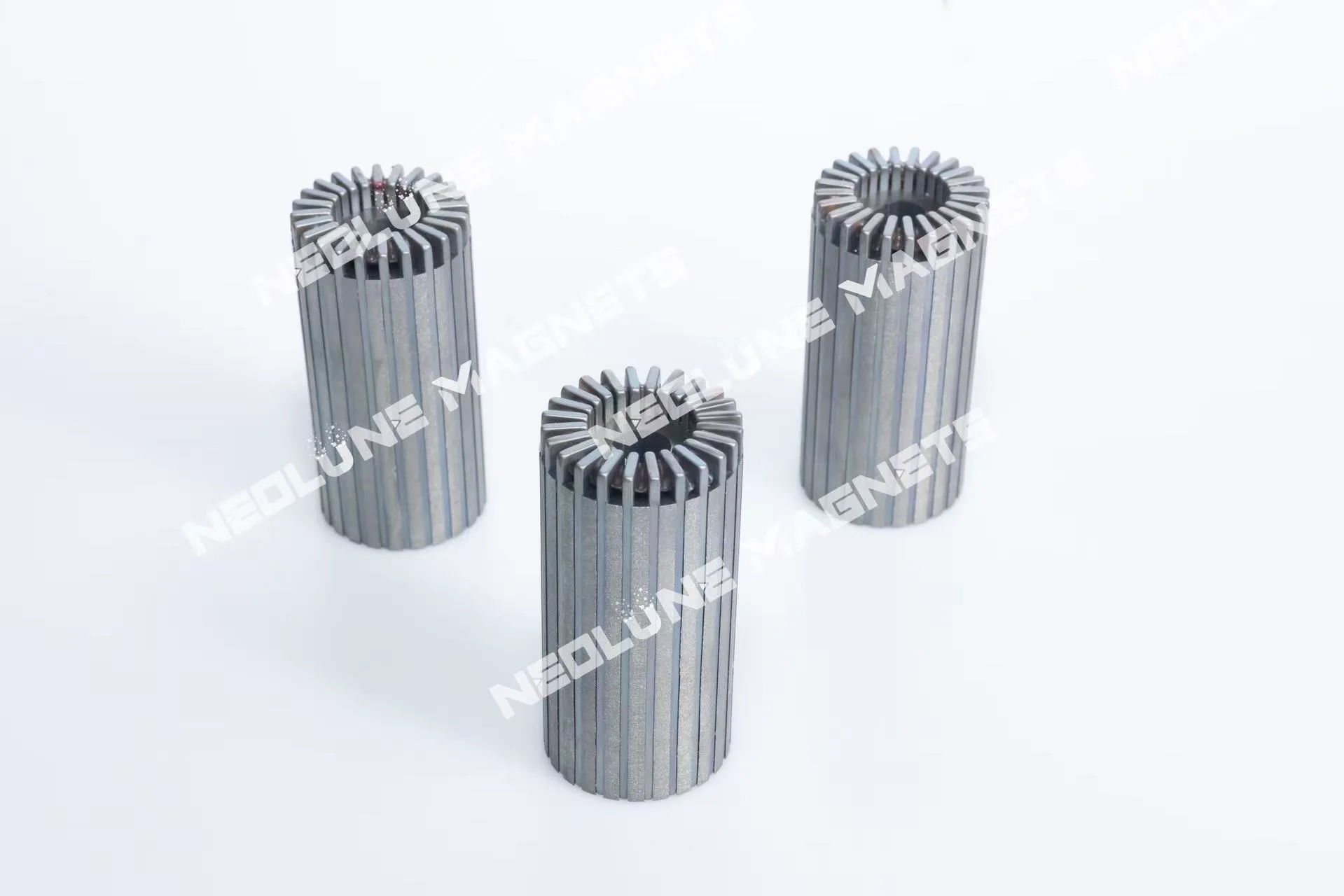
NEOLUNE rotor magnetic component examples with original watermarks.

Motor Magnetic Components

Rotary forms for reviewing rotor magnet placement, shaft or carrier fit, retention and air-gap interfaces.

View motor components
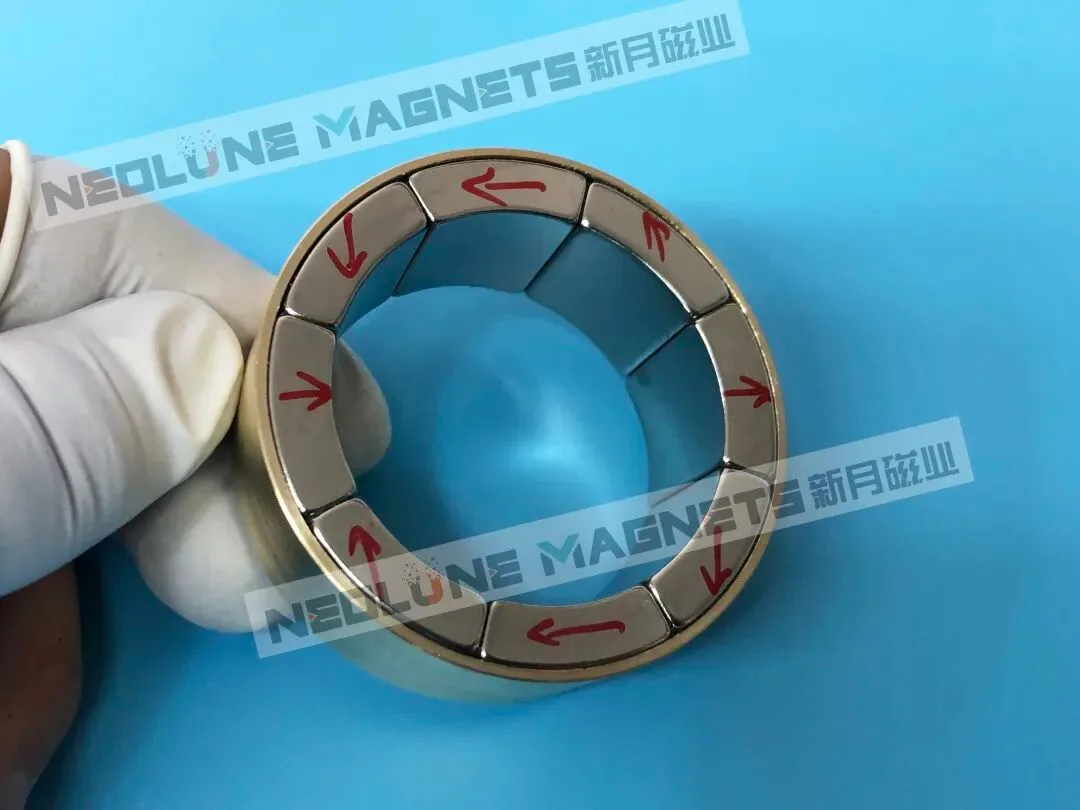
NEOLUNE ring Halbach magnetic assembly with original markings and watermarks.

Halbach Assemblies

Ring, linear and arc arrangements for reviewing the working field and magnetic layout where the system calls for a Halbach design.

View Halbach assemblies

Traction and guidance project inputs

Define the component scope separately from the full transport system. Include any project-specific qualification or acceptance requirements in the discussion.

Prepare a requirement checklist
NEOLUNE rotor magnetic component examples for reviewing drawing and retention interfaces.
System and component location
Elevator rotor, rail traction motor, or a permanent-magnet suspension or guidance element.
Drawing and mechanical support
Envelope, shaft or carrier interfaces, datums, retention, assembly access and auxiliary support where applicable.
Pole layout and working gap
Magnet arrangement, magnetisation direction, field target and motor or guidance gap.
Load and operating conditions
Speed, torque or force targets, duty cycle, temperature, vibration and environment as system requirements.
Acceptance and quantities
Dimensional and magnetic checks, qualification documents, prototype sets and planned order quantities.

Engineering and related uses

Magnetic design and assembly

Review the magnetic circuit and component positioning, bonding and curing route.

Project checks and reports

Agree inspection items, coverage, acceptance criteria and batch-record requirements.

Discuss your traction or guidance component

Share the component drawing or download link, installation gap, operating targets and quantities. We review the magnetic layout and mechanical interfaces for the proposed component.

Paid prototypes can start from one set. Sample schedule, production MOQ and delivery timing are confirmed against the design, tooling and order quantity.

Get a Quote

Drawings and specifications can also be sent by email.